
The Toyota RAV4‚ particularly older models‚ offered a satisfying 6-speed manual transmission‚ providing drivers with enhanced control and engagement.
However‚ these manual gearboxes can experience specific faults requiring diligent maintenance and‚ occasionally‚ professional repairs to ensure optimal performance and longevity.

Overview of RAV4 Manual Transmission Models
Toyota offered manual transmissions in several RAV4 generations‚ primarily focusing on the earlier models to appeal to drivers seeking a more connected driving experience. The 6-speed manual was a common feature‚ particularly in RAV4 models produced before the increasing popularity of automatic transmissions.
Specifically‚ the 2009-2011 and 2012-2018 RAV4 models were available with this option. Later models (2019+) largely discontinued the manual transmission‚ shifting focus towards automatic variants. These manual transmissions‚ while generally reliable‚ are known to exhibit certain common issues related to wear and tear or insufficient lubrication. Understanding the specific model year and its associated transmission characteristics is crucial for proper maintenance and troubleshooting.
Why Choose a Manual Transmission RAV4?
Opting for a manual transmission Toyota RAV4 delivers a more engaging and driver-focused experience. Drivers appreciate the enhanced control over gear selection‚ leading to a more connected feel on the road. A manual gearbox often provides better fuel efficiency compared to older automatic counterparts‚ though modern automatics have narrowed this gap.
Furthermore‚ manual transmissions are often favored by those who enjoy a more involved driving style and prefer the simplicity of the mechanical linkage. The RAV4 manual offers a unique driving dynamic not found in the automatic versions. However‚ potential buyers should be aware of the potential for increased maintenance and the learning curve for those unfamiliar with manual operation.
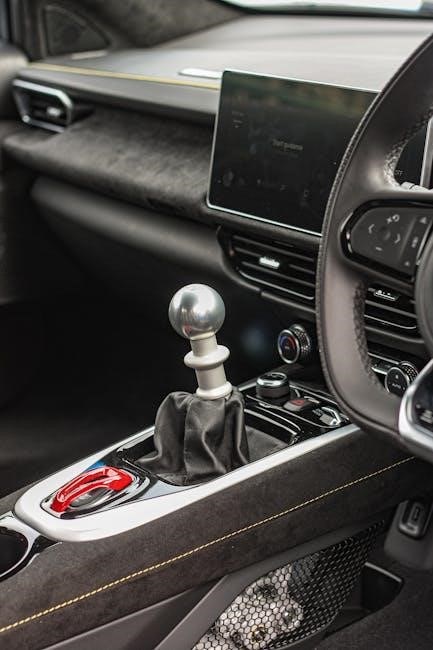
Common Problems with the RAV4 Manual Transmission
Toyota RAV4 manual transmissions can develop issues like difficult shifting‚ grinding noises‚ clutch slippage‚ shuddering‚ and gear lever looseness over time.
Difficulty Shifting Gears
Experiencing difficulty shifting gears in your Toyota RAV4’s manual transmission is a common complaint among owners. This can manifest as a general resistance when attempting to move the gear lever into different positions‚ or a specific struggle with certain gears.
Several factors can contribute to this issue. Worn synchronizers‚ responsible for matching the speeds of the gears during shifts‚ are a frequent culprit. Low or degraded transmission fluid can also hinder smooth operation‚ as it provides lubrication and hydraulic pressure for clutch engagement.
Air trapped within the hydraulic system‚ if applicable‚ can also cause shifting problems. In some cases‚ a bent or damaged shift linkage can physically impede the movement of the gear lever. Addressing this promptly prevents further damage and restores a pleasurable driving experience.
Grinding Noises During Shifting
Hearing grinding noises when shifting gears in your Toyota RAV4’s manual transmission is a clear indication of a problem that needs attention. This harsh sound typically occurs when the synchronizers are unable to properly match the speeds of the gears before engagement.
Worn or damaged synchronizer rings are the most common cause‚ preventing a smooth mesh. Continuing to drive with grinding noises accelerates wear on the gears themselves‚ potentially leading to more extensive and costly repairs.
Insufficient or contaminated transmission fluid can exacerbate the issue‚ reducing lubrication and hydraulic pressure. Incorrect shifting technique‚ such as rushing shifts‚ can also contribute. Ignoring these sounds can lead to complete transmission failure‚ so prompt diagnosis is crucial.
Clutch Issues: Slipping and Sticking
Clutch problems are frequently reported in Toyota RAV4 manual transmissions‚ manifesting as either slipping or sticking. A slipping clutch fails to fully engage‚ causing the engine to rev without a corresponding increase in vehicle speed – noticeable during acceleration or uphill climbs.
This is often due to a worn clutch disc‚ glazed friction material‚ or a hydraulic system issue. Conversely‚ a sticking clutch makes shifting difficult‚ potentially causing grinding noises and difficulty selecting gears.
Causes include a warped clutch disc‚ a faulty release bearing‚ or a lack of lubrication. Addressing these issues promptly prevents further damage to the transmission and ensures smooth‚ reliable operation. Regular inspection of the clutch system is vital.
Transmission Shuddering or Vibrating
Transmission shuddering or vibrating is a common complaint among Toyota RAV4 owners with manual transmissions‚ particularly in certain model years. This sensation often feels like a pulsing or shaking‚ especially during acceleration or at specific speeds.
While often associated with automatic transmissions‚ shuddering can occur in manuals due to worn internal components‚ such as synchronizers or bearings. Issues with the torque converter‚ as seen in 2009-2011 and 2012-2018 models‚ can also transmit vibrations.
Insufficient or contaminated transmission fluid can exacerbate these symptoms. Identifying the source of the vibration is crucial‚ as ignoring it can lead to more significant and costly repairs.
Gear Lever Looseness
Gear lever looseness in a Toyota RAV4 manual transmission can manifest as a vague or sloppy feel when shifting gears. This issue often develops over time due to wear and tear on the internal components connecting the gear lever to the transmission itself.
Worn bushings‚ joints‚ or linkage parts are common culprits. This looseness not only detracts from the driving experience but can also lead to inaccurate gear selection and difficulty finding the desired gear.
Regular inspection of the shift linkage is recommended. Addressing this issue promptly prevents further damage and ensures precise shifting. Ignoring it can lead to more extensive repairs down the line‚ impacting the vehicle’s overall performance.

Specific RAV4 Model Years and Transmission Issues

Toyota RAV4 models from 2009-2011 experienced torque converter and transaxle shuddering‚ while 2012-2018 models had torque converter shudder issues.
2009-2011 RAV4 Manual Transmission Problems
Toyota RAV4 models manufactured between 2009 and 2011‚ equipped with the manual transmission‚ commonly exhibited shuddering issues. These vibrations weren’t isolated to specific driving conditions‚ often appearing during acceleration or at consistent speeds.
Investigations pointed towards problems within the torque converter and the transaxle assembly as the primary culprits. Wear and tear on these components‚ coupled with potential lubrication deficiencies‚ contributed to the unsettling shudder. Owners frequently reported a noticeable loss of smooth power delivery alongside the vibration.
Addressing these issues often required a thorough inspection of the torque converter and transaxle‚ potentially leading to component replacement. Regular transmission fluid checks and timely fluid changes were crucial preventative measures for these model years.
2012-2018 RAV4 Manual Transmission Problems
Toyota RAV4 models spanning the 2012 to 2018 production years‚ while generally reliable‚ weren’t entirely free from transmission concerns. A prevalent issue centered around the 6-speed U760E/F automatic transmission‚ frequently manifesting as heavy shuddering. This wasn’t a widespread problem for manual transmissions‚ but it’s important to note.
The root cause was often traced back to the torque converter‚ experiencing internal failures or inefficiencies. This shuddering sensation could be intermittent or persistent‚ impacting the overall driving experience. Diagnostic procedures involved assessing the torque converter’s performance and identifying any signs of wear or damage.
Repair solutions typically involved torque converter replacement or‚ in some cases‚ a complete transmission overhaul. Maintaining proper transmission fluid levels and adhering to recommended service intervals were vital for mitigating these issues.
Later Model RAV4 (2019+) Manual Transmission Reliability
Toyota RAV4 models from 2019 onwards demonstrate a significant improvement in manual transmission reliability compared to earlier generations. Reports indicate these newer models are typically free of the widespread transmission problems that plagued some previous years. While specific issues can always arise with any vehicle‚ the 2019+ RAV4’s manual transmission has proven remarkably robust.
This enhanced reliability is attributed to design refinements and improved manufacturing processes. Owners generally report smooth shifting and consistent performance without the shuddering or other issues seen in older models;
However‚ maintaining regular transmission fluid changes and adhering to recommended service schedules remain crucial for preserving long-term reliability and preventing potential issues. Proactive maintenance is key to ensuring continued smooth operation.

DIY Maintenance and Troubleshooting
Routine checks of transmission fluid levels‚ clutch system inspection‚ and addressing any leaks are vital for RAV4 manual transmission upkeep.
These steps can help identify and resolve minor issues before they escalate.
Checking and Replacing Transmission Fluid
Regularly inspecting your Toyota RAV4’s manual transmission fluid is crucial for preventing wear and tear. Check the fluid level using the dipstick‚ ensuring the vehicle is on level ground and the engine is off. The fluid should be a clear amber color; dark or murky fluid indicates contamination and the need for a change.
To replace the fluid‚ locate the drain plug on the transmission; After draining the old fluid‚ replace the drain plug with a new crush washer. Then‚ carefully fill the transmission with the correct type of gear oil‚ as specified in your owner’s manual. Avoid overfilling‚ as this can cause damage. Proper fluid maintenance extends the life of your RAV4’s manual transmission.
Always dispose of used fluid responsibly.
Inspecting the Clutch System
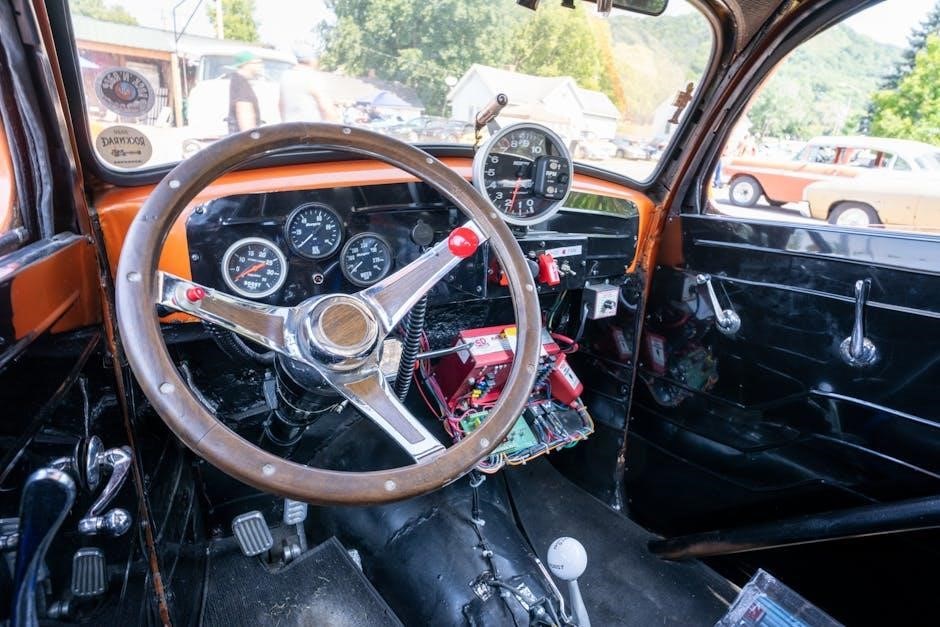
A properly functioning clutch is vital for smooth shifting in your Toyota RAV4’s manual transmission. Begin by checking the clutch pedal’s free play; excessive play may indicate cable stretch or adjustment issues. Inspect the clutch master and slave cylinders for leaks‚ as these can cause shifting problems.
Visually examine the clutch disc for wear if accessible. Signs of glazing‚ cracking‚ or excessive wear necessitate replacement. Also‚ check the flywheel surface for heat damage or scoring. A worn clutch can lead to slipping‚ difficulty engaging gears‚ and grinding noises. Regular inspection helps identify potential issues before they escalate into costly repairs.
Ensure proper cable adjustment if applicable.
Adjusting Clutch Cable (if applicable)
For Toyota RAV4 models equipped with a clutch cable‚ proper adjustment is crucial for optimal performance. Begin by loosening the cable adjustment locknut. Then‚ use the adjuster to increase or decrease cable tension‚ aiming for approximately 1/2 to 1 inch of free play at the clutch pedal.
Too little free play can cause the clutch to slip or drag‚ while too much can make shifting difficult. After adjusting‚ securely tighten the locknut. Test the adjustment by starting the engine and attempting to shift through all gears. If you experience difficulty or unusual noises‚ re-adjust the cable until smooth operation is achieved.
Regular adjustments maintain optimal clutch engagement.
Identifying and Addressing Leaks
Transmission fluid leaks in a Toyota RAV4 manual transmission can lead to low fluid levels‚ causing shifting problems and potential damage. Regularly inspect the transmission for signs of leakage around the seals‚ gaskets‚ and the fill/drain plugs.
Common leak locations include the input and output shaft seals‚ as well as the rear main seal. Addressing leaks promptly is vital. Minor leaks may be temporarily managed with sealant‚ but significant leaks usually require replacing the affected seals or gaskets.
Always use the correct Toyota-specified transmission fluid when topping up after addressing a leak.

Professional Repair Options
For complex RAV4 manual transmission issues‚ seeking a qualified mechanic is crucial. Common repairs include clutch replacements and internal transmission rebuilds‚ ensuring proper function.
When to Seek a Mechanic
Determining when to consult a professional regarding your Toyota RAV4’s manual transmission is vital for preventing further damage and ensuring safe operation. If you experience persistent difficulty shifting gears‚ or notice consistent grinding noises even after attempting basic troubleshooting‚ a mechanic’s expertise is needed.
Similarly‚ any signs of significant clutch slippage‚ a sticking clutch pedal‚ or pronounced shuddering or vibrations emanating from the transmission demand professional attention. Ignoring these symptoms can lead to more extensive and costly repairs down the line.
Furthermore‚ if you identify any transmission fluid leaks‚ or if the gear lever feels excessively loose‚ it’s best to have a qualified technician diagnose and address the underlying issue promptly. Don’t hesitate to call 855-CLE-AUTO for expert service!
Common Repair Procedures
Addressing RAV4 manual transmission issues often involves several standard repair procedures. Clutch kit replacement is frequent‚ encompassing the disc‚ pressure plate‚ and release bearing‚ restoring proper engagement. Internal transmission repairs may be necessary for addressing grinding noises or difficulty shifting‚ requiring disassembly and component inspection.
For shuddering issues‚ particularly in 2009-2018 models‚ torque converter or transaxle assembly work is common. Leak repairs involve replacing seals and gaskets. Adjusting the clutch cable (on applicable models) ensures correct pedal feel and engagement.
A thorough inspection of all components is crucial during any repair‚ identifying worn or damaged parts needing replacement. Skilled technicians utilize specialized tools and diagnostic equipment for accurate repairs.
Cost of Manual Transmission Repairs
The cost of repairing a Toyota RAV4 manual transmission varies significantly based on the issue and labor rates. A simple clutch kit replacement typically ranges from $500 to $1200‚ including parts and labor. Adjusting a clutch cable is a relatively inexpensive fix‚ around $100-$300.
More complex repairs‚ like addressing internal transmission problems or torque converter issues (in 2009-2018 models)‚ can cost between $1500 and $3500 or more. A complete transmission rebuild or replacement can exceed $2000-$4000.
Using genuine Toyota parts generally increases the cost‚ but ensures quality and compatibility. Obtaining quotes from multiple mechanics is recommended to compare pricing and services.
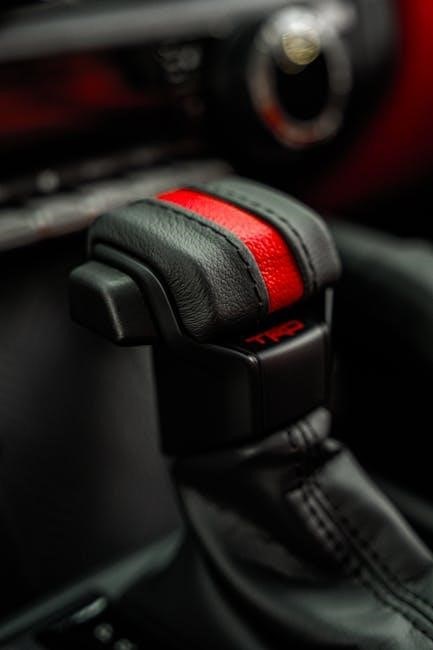
Parts and Components
Genuine Toyota parts are crucial for RAV4 manual transmissions‚ ensuring proper fit and reliability. Aftermarket options exist‚ offering cost savings but potentially compromising quality.
Identifying Genuine Toyota Parts
Sourcing genuine Toyota parts for your RAV4’s manual transmission is paramount for maintaining its integrity and performance. These components are engineered to precise specifications‚ guaranteeing compatibility and longevity‚ unlike some aftermarket alternatives.
Look for the Toyota logo clearly imprinted on the part itself‚ along with a unique part number. Reputable Toyota dealerships and authorized online retailers are the safest avenues for procurement. Beware of suspiciously low prices‚ as they often indicate counterfeit or substandard products.
Original packaging is another key indicator of authenticity. Genuine parts will arrive in Toyota-branded boxes with detailed information about the component. Prioritize quality and reliability by investing in genuine Toyota parts for your RAV4’s manual transmission repairs.
Aftermarket Transmission Parts: Pros and Cons
Aftermarket transmission parts for the Toyota RAV4 manual gearbox present a cost-effective alternative to genuine Toyota components‚ but come with inherent trade-offs. The primary advantage is price; aftermarket parts are often significantly cheaper.
However‚ quality can vary drastically. While some aftermarket manufacturers offer reliable products‚ others may use inferior materials or lack precise engineering. This can lead to premature failure‚ compatibility issues‚ and potentially damage other transmission components.
Consider the warranty offered and research the manufacturer’s reputation before purchasing. For critical components like gears or synchros‚ genuine Toyota parts are generally recommended to ensure long-term reliability and maintain the transmission’s original performance characteristics.
Clutch Kit Replacement
Replacing the clutch kit in a Toyota RAV4 with a manual transmission is a significant undertaking‚ typically performed when experiencing slipping‚ sticking‚ or difficulty shifting. A complete kit usually includes the clutch disc‚ pressure plate‚ throw-out bearing‚ and pilot bearing.
The process involves disconnecting the transmission‚ removing the old clutch components‚ cleaning the flywheel surface‚ and installing the new kit. Proper alignment of the clutch disc is crucial to prevent premature wear and ensure smooth engagement.
Consider replacing the rear main seal while the transmission is removed‚ as it’s easily accessible at this time. Accurate torque specifications are essential for all fasteners to avoid damage or failure. Professional installation is recommended for those lacking experience;

Preventative Measures for Longevity
Regular transmission fluid changes‚ smooth shifting techniques‚ and avoiding harsh driving habits are vital for extending the life of your Toyota RAV4’s manual transmission.
Regular Transmission Fluid Changes
Maintaining the correct level and quality of transmission fluid is paramount for the longevity of your Toyota RAV4’s manual gearbox. Over time‚ the fluid degrades‚ losing its lubricating properties and ability to effectively cool the internal components.
Neglecting fluid changes can accelerate wear and tear‚ contributing to issues like difficulty shifting and grinding noises. Toyota recommends specific fluid types for its manual transmissions; using the incorrect fluid can cause significant damage.
Generally‚ a fluid change every 30‚000 to 60‚000 miles is advisable‚ but consult your owner’s manual for precise intervals. Inspect the fluid regularly for discoloration or a burnt smell‚ which indicates it needs replacing sooner. Proper fluid maintenance is a cost-effective way to prevent expensive repairs down the line.
Smooth Shifting Techniques
Employing proper shifting techniques significantly reduces stress on the Toyota RAV4’s manual transmission components. Avoid “speed shifting” or aggressively forcing the gear lever into position‚ as this can cause premature wear on synchronizers and gears.
Instead‚ practice smooth‚ deliberate shifts‚ fully depressing the clutch pedal and matching engine speed to the selected gear. Double-clutching‚ while less necessary in modern transmissions‚ can further enhance smoothness.
Release the clutch gradually to avoid jerking or shuddering. Refrain from resting your foot on the clutch pedal while driving‚ as this causes constant friction and accelerates wear. Gentle and mindful shifting habits contribute significantly to the overall health and lifespan of your RAV4’s manual transmission.
Avoiding Harsh Driving Habits
Prolonging the life of your Toyota RAV4’s manual transmission requires avoiding driving behaviors that place undue stress on the system. Frequent hard launches and aggressive acceleration put significant strain on the clutch‚ gears‚ and synchronizers‚ accelerating wear and tear.
Similarly‚ avoid “lugging” the engine by driving in too high a gear at low speeds‚ as this creates excessive load and vibration. Downshifting should be performed smoothly and at appropriate engine speeds.
Minimize prolonged periods of towing or hauling heavy loads‚ as this increases the transmission’s workload. Gentle driving habits‚ combined with regular maintenance‚ are crucial for ensuring the long-term reliability of your RAV4’s manual gearbox.