Historical Context of “O Holy Night”
The 1847 Paris premiere of “Noël de Noël” by Adolphe Adam, originally titled “La Nuit Sainte,” emerged amid 19th‑century Romanticism. Its soaring melody, inspired by a French poem, captured wartime longing and religious devotion, quickly spreading across Europe and becoming a holiday staple worldwide. annually 2026.
Composer Adolphe Adam and Publication History
Adolphe Adam (1803‑1859) first published “Noël de Noël” in 1847 as part of a Christmas carol collection. The piece quickly gained popularity, appearing in church hymnals and concert programs across Europe. By 1850 it was included in the “Grand Recueil de Chants de Noël,” a compilation that helped standardize the work for choir and piano. The original manuscript, preserved in the Bibliothèque nationale de France, features Adam’s elegant harmonies and a lyrical soprano line that has become iconic. In the late 19th century the song was translated into English as “O Holy Night,” with lyrics by Placide Cappeau, and printed in the United States by G. Schirmer. The 1900 edition by Chappell & Co. added a piano accompaniment that remains in use today. Throughout the 20th century numerous publishers, including Oxford University Press and Hal Leonard, released editions with varying arrangements for solo voice, choir, and instrumental ensembles. The 1970s saw the first recorded piano solo by Arthur Rubinstein, which spurred a wave of sheet‑music publications for home practice. In recent decades digital platforms such as MuseScore and IMSLP have made the score freely available, allowing musicians worldwide to download PDF versions for performance and study. The enduring legacy of Adam’s composition is reflected in its continued presence in holiday concerts, recordings, and educational curricula, underscoring its significance in both religious and secular musical traditions. Collectors often seek the 1847 lithograph, prized for its historical authenticity, while facsimile editions preserve Adam’s notation for scholarly study. Additionally, the 2010 Breitkopf & Härtel edition introduced a new orchestral arrangement, expanding the harmonic palette. study now today!
Copyright Status and Public Domain Considerations
Adolphe Adam’s “O Holy Night” (originally “Noël de Noël”) entered the public domain upon his death in 1859, as the work is more than 70 years old in most jurisdictions. The original 1847 manuscript, with its German/French text, is freely available in national libraries and online repositories such as IMSLP and the Mutopia Project. However, the English lyrics penned by Placide Cappeau in 1847 are also in the public domain, making the full song free for performance and publication worldwide; Modern arrangements—whether for piano, choir, guitar, or vocal ensembles—often include new harmonizations, voicings, or rhythmic alterations that can be protected under copyright. For example, the 1970s “Grand Recueil” edition added a piano accompaniment that, while based on Adam’s original, may still be subject to copyright if the arrangement was published after 1923 and the arranger retained rights. Likewise, contemporary publishers such as Hal Leonard or Oxford University Press may hold exclusive rights to their specific editions, which can include editorial changes, new fingering charts, or added accompaniment parts. When downloading PDF sheet music from free platforms, users should verify whether the file is a direct copy of the public‑domain score or a derivative arrangement. Many MuseScore uploads are user‑created and may contain copyrighted arrangements, so the “public domain” label on the page does not guarantee the absence of new copyright. The safest approach is to use PDFs sourced from reputable public‑domain collections (e.g., IMSLP, Mutopia) or to confirm that the arrangement was created before 1923. For performances that will be recorded or broadcast, obtaining a license for any copyrighted arrangement is advisable, even if the underlying melody is public domain. This ensures compliance with modern copyright law and protects performers from potential infringement claims.
Major Online Platforms Offering PDF Sheet Music
Key sites for free PDFs include IMSLP, Mutopia, MuseScore, and 8notes. IMSLP hosts the original public‑domain score; Mutopia offers clean PDF downloads. MuseScore’s community uploads many arrangements, while 8notes provides curated collections. All PDFs are royalty‑free today.
MuseScore Free PDF Downloads
On MuseScore, users upload thousands of “O Holy Night” arrangements, from piano leadsheets to scores. The search filters by key, difficulty, and instrument. A “Download PDF” button offers a ready‑to‑print version. Chords, lyrics, and performance notes make PDFs useful for rehearsals and solo practice. Enjoy!!!
IMSLP and Mutopia Project PDFs
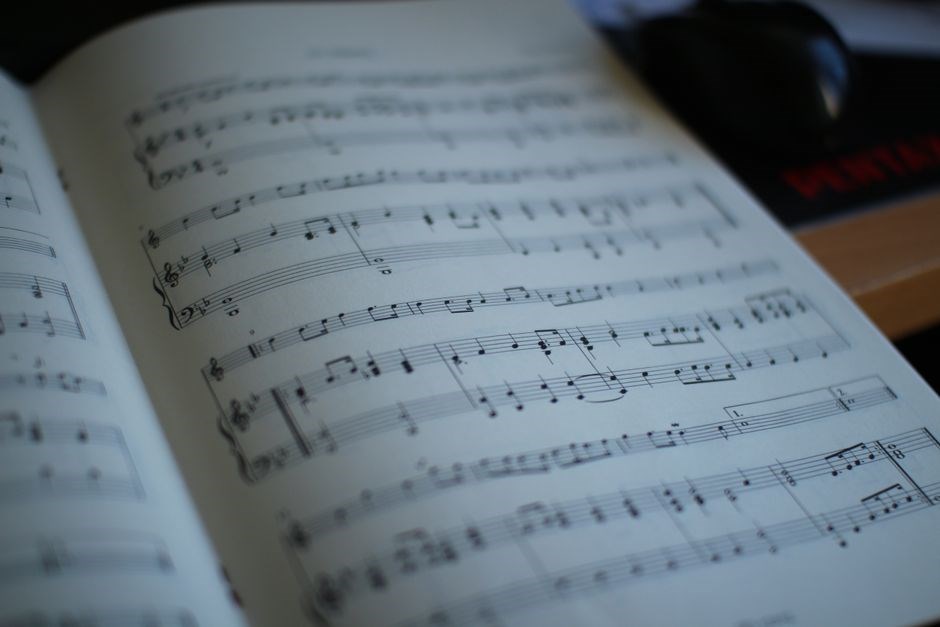
IMSLP, the International Music Score Library Project, hosts a vast public‑domain collection, including many versions of “O Holy Night.” Its user‑friendly interface lets you quickly locate the “Adolphe Adam” collection, where PDFs range from the original piano score to choral arrangements. Mutopia, a sister project, focuses on clean, high‑quality typesetting; its “O Holy Night” PDF often features a neater layout and clearer notation, ideal for educators and performers seeking a polished reference. Both platforms provide free downloads, no registration required, and offer the option to view scores online or download them as PDFs for offline use. The PDFs are typically in PDF/A format, ensuring long‑term preservation and compatibility across devices. Users can also access the original sheet music in multiple languages, as many contributors have transcribed the French text into English, German, and other translations. The IMSLP community frequently updates the PDFs with editorial corrections, such as accurate key signatures or corrected dynamics, improving reliability. For those preferring a modern look, Mutopia PDFs often include a modernized version of the manuscript, with updated page numbers and a clear title page. The availability on both IMSLP and Mutopia allows musicians, teachers, and students to choose the version that best suits their needs, whether for historical study or rehearsal. The open‑access nature of these sites supports preserving musical heritage and making it freely available worldwide. By downloading the PDFs, users can print them, annotate them with music‑note software, or view them on a tablet during rehearsal. The combination of IMSLP’s catalog and Mutopia’s typesetting offers a comprehensive resource for exploring “O Holy Night.” These resources are updated regularly. All free!!!!
Instrument-Specific Arrangements in PDF Format

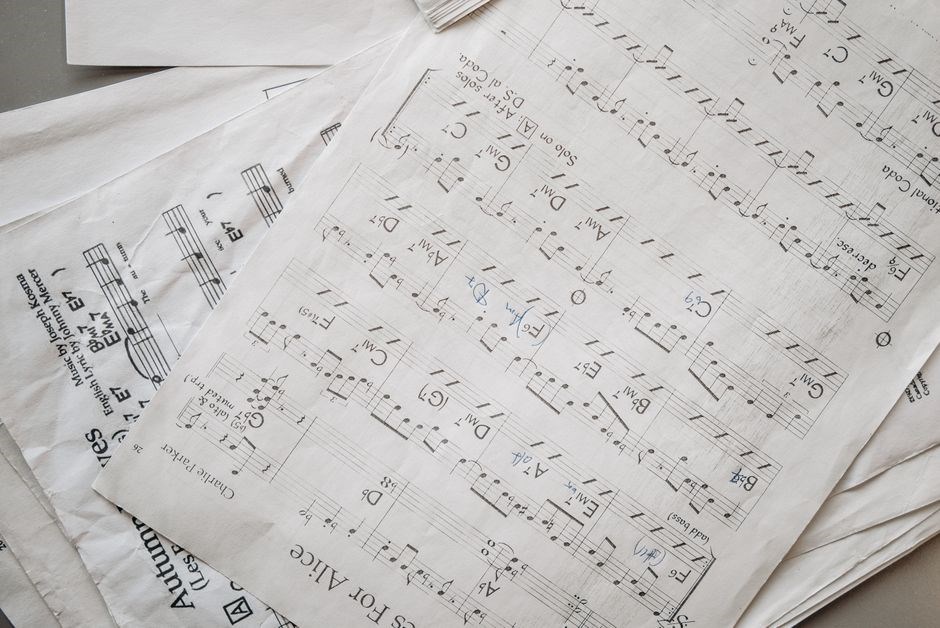
MuseScore hosts piano lead sheets, guitar and ukulele transcriptions, and soprano/choral PDFs. Each arrangement includes chords, lyrics, and performance markings. Users can download, annotate, and print, making it ideal for rehearsals, lessons, and concerts. These PDFs support annotation and print for users !.
Piano Lead Sheets with Chords
On MuseScore, the “O Holy Night” lead sheet features a full harmonic accompaniment, with chord symbols placed above the staff for easy reference. The arrangement, uploaded by an unregistered user in May 2024, includes the original French lyrics and an English translation, allowing performers to sing along while playing. The PDF format preserves the layout, enabling students to annotate directly on the printed page. Users can download the file, print it in standard 8.5×11 inches, and even export the MIDI for practice. The chord progression follows the traditional harmonic structure: starting in C major, moving through a series of ii–V–I cadences that highlight the piece’s dramatic rise to the “O” refrain. The lead sheet also contains dynamic markings and tempo indications, making it suitable for solo piano rehearsals or accompaniment in a small ensemble. Because the arrangement is in the public domain, it is freely shareable and can be adapted for different skill levels by altering the voicing or simplifying the chord changes. This flexibility makes the PDF an invaluable resource for music teachers, choir directors, and home‑practice musicians seeking a concise yet complete reference for “O Holy Night.”
Additionally, the PDF includes a key signature change at the bridge, illustrating modulation to A minor, which enriches the harmonic palette and offers performers a chance to practice key changes within the same piece for all.
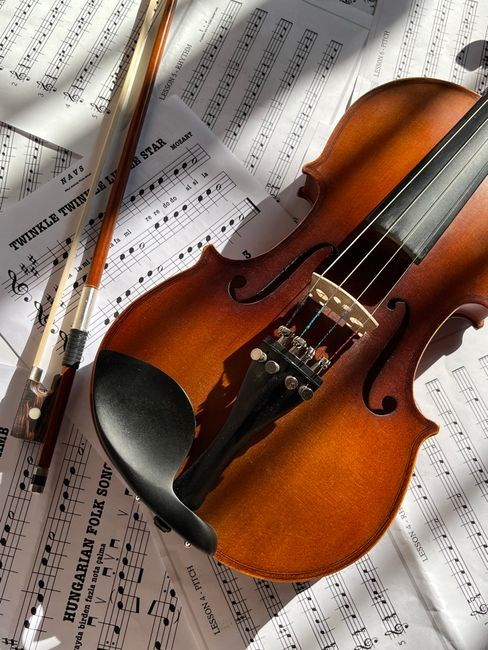
The chord symbols are displayed in a clear, legible font, ensuring that even beginners can quickly identify the harmony.
The file size is modest, around 200 KB, making it easy to download and share via email or free cloud storage.
Finally, the PDF works for all.
Guitar and Ukulele Arrangements
On MuseScore, the “O Holy Night” guitar and ukulele PDFs provide full chord charts, strummed patterns, and fingerstyle tabs. The guitar lead sheet, uploaded by a community member in May 2024, features the original French lyrics with an English translation, allowing players to sing while strumming. The ukulele version, also available in PDF, adapts the chords to the 4‑string tuning, offering a lighter, more intimate rendition suitable for solo practice or small ensembles. Both PDFs include chord symbols above the staff, dynamic markings, and tempo indications, making them ideal for beginners and intermediate players alike. The guitar arrangement uses standard open‑chord voicings, while the ukulele version employs a mix of open and barre chords to capture the piece’s soaring melodic line. Users can download the PDFs, print them on standard 8.5×11 inches, and annotate directly on the sheet. The chord progressions follow the traditional harmonic structure, with a key change to A minor at the bridge, providing a practical exercise in modulation. Because the arrangements are in the public domain, they can be freely shared, modified, or incorporated into lesson plans, choir rehearsals, or holiday concerts. The PDFs are lightweight, typically around 150 KB, ensuring quick downloads and easy distribution via email or cloud services. Whether you prefer a strummed rhythm or a fingerpicked texture, these guitar and ukulele PDFs offer a versatile, accessible resource for celebrating “O Holy Night” in any setting. These PDFs also enable quick PDF annotation for rehearsal notes now!
On MuseScore, the “O Holy Night” guitar and ukulele PDFs provide full chord charts, strummed patterns, and fingerstyle tabs. The guitar lead sheet, uploaded by a community member in May 2024, features the original French lyrics with an English translation, allowing players to sing while strumming. The ukulele version, also available in PDF, adapts the chords to the 4‑string tuning, offering a lighter, more intimate rendition suitable for solo practice or small ensembles. Both PDFs include chord symbols above the staff, dynamic markings, and tempo indications, making them ideal for beginners and intermediate players alike. The guitar arrangement uses standard open‑chord voicings, while the ukulele version employs a mix of open and barre chords to capture the piece’s soaring melodic line. Users can download the PDFs, print them on standard 8.5×11 inches, and annotate directly on the sheet. The chord progressions follow the traditional harmonic structure, with a key change to A minor at the bridge, providing a practical exercise in modulation. Because the arrangements are in the public domain, they can be freely shared, modified, or incorporated into lesson plans, choir rehearsals, or holiday concerts. These PDFs also include optional lyric sheets and rehearsal marks, enabling conductors to tailor tempo changes and ensuring each performance captures the song’s reverence!!
Technical Tips for Printing and Annotating PDFs
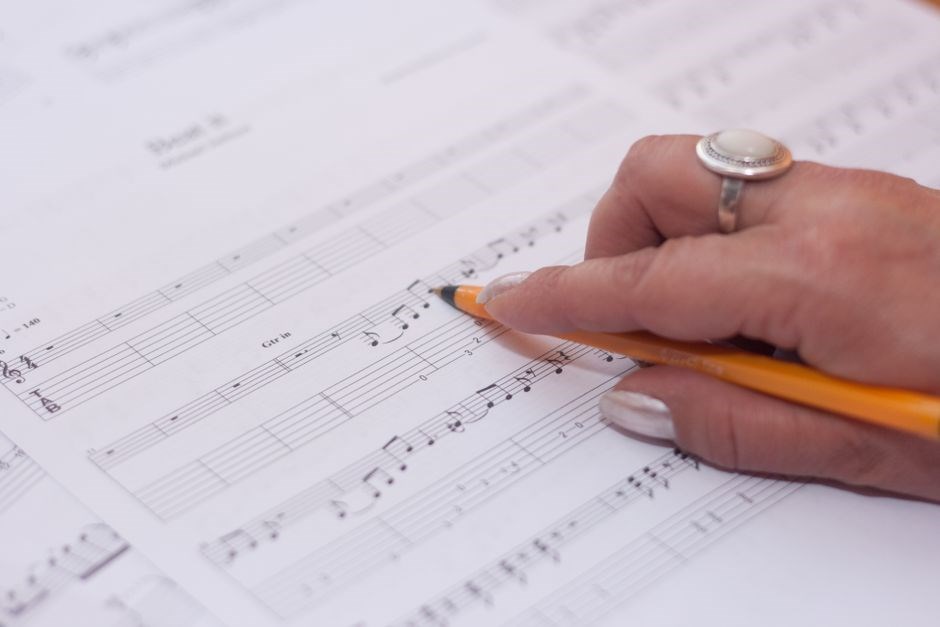
When downloading “O Holy Night” PDFs from MuseScore or IMSLP, first verify the file size and resolution; a 300‑dpi PDF ensures crisp staff lines when printed on A4 paper. Open the PDF in a viewer that supports annotations, such as Adobe Acrobat Reader or Foxit Reader. Use the “Comment” toolbar to add sticky notes next to difficult passages—this is especially useful for vocalists who need to mark key changes or dynamic markings. For printed copies, select “Print…,” choose “Page Scaling: Fit to Printable Area,” and enable “Print on Both Sides” if you plan to bind the score. If you prefer a digital annotation workflow, export the PDF to a PDF‑writer format (e.g., PDF‑Writer or PDF‑Creator) and use the “Highlight” tool to emphasize chord changes. For multi‑instrument arrangements, color‑code each voice: blue for soprano, green for alto, red for tenor, and black for bass. This visual cue helps conductors spot harmonies quickly. When annotating chord symbols, use the “Text” tool with a smaller font size (8‑10 pt) so the chords do not obscure the staff. Finally, save a copy of the annotated PDF under a new filename, preserving the original. This practice keeps the master file intact for future edits and ensures that all collaborators see the same markings. By following these steps, performers and teachers can efficiently prepare, print, and annotate “O Holy Night” PDFs for rehearsals, lessons, and performances. Use these guidelines to ensure a clean, professional result. Great use now!?
Common Issues and Troubleshooting PDF Sheet Music
When working with “O Holy Night” PDFs, users often encounter rendering glitches, missing glyphs, or misaligned staff lines. The root cause is usually the font embedding. Many free PDFs embed generic fonts that lack the necessary music symbols. To fix this, open the PDF in a viewer that supports PDF‑1.7, enable “High‑Quality Print,” and check the embedded font list. If the font is missing, install a dedicated music font (e.g., “MuseScore” or “LilyPond”) and re‑render the PDF using a tool like MuseScore or LilyPond. For hyperlinks that open incorrectly, use the “Remove Links” option in the editor. When printing, ensure that “Print Page Numbers” is checked; otherwise, page numbers may be omitted. Annotated PDFs may not print the annotation layer; enable “Print annotations” in the print dialog. Password‑protected PDFs can be unlocked with PDFCrack or by requesting the original file. If the PDF is rasterized, it will lose detail when scaled; in that case, obtain a vector‑based version from the source. Finally, always preview the print layout before printing to catch any layout issues. By systematically addressing these common problems, performers can reliably use PDF sheet music for rehearsal and performance.
Additionally, musicians should test the PDF on multiple devices to ensure compatibility, use the “Print Preview” feature to check margins, and consider exporting the PDF to a PDF/A format for archival purposes. When collaborating with other performers, sharing the PDF via cloud services such as Google Drive or Dropbox ensures everyone has the same version. For
For annotated PDFs, make sure that the annotation layer is visible in the viewer settings. When printing, choose the “Fit to Page” option to avoid clipping. If you encounter a “File Not Found” error, verify that the PDF file path is correct. For large scores, consider splitting the PDF into smaller sections to reduce load times. Finally, keep a backup of the original PDF in a secure location. By following these guidelines, musicians can avoid common pitfalls and ensure a smooth rehearsal or performance experience.
PDF versions of “O Holy Night” often suffer from rendering glitches, missing glyphs, or misaligned staff lines. The root cause is usually the font embedding. Many free PDFs embed generic fonts that lack the necessary music symbols. To fix this, open the PDF in a viewer that supports PDF‑1;7, enable “High‑Quality Print,” and check the embedded font list. If the font is missing, install a dedicated music font (e.g;, “MuseScore” or “LilyPond”) and re‑render the PDF using a tool like MuseScore or LilyPond. For hyperlinks that open incorrectly, use the “Remove Links” option in the editor. When printing, ensure that “Print Page Numbers” is checked; otherwise, page numbers may be omitted. Annotated PDFs may not print the annotation layer; enable “Print annotations” in the print dialog. Password‑protected PDFs can be unlocked with PDFCrack or by requesting the original file. If the PDF is rasterized, it will lose detail when scaled; in that case, obtain a vector‑based version from the source. Additionally, musicians should test the PDF on multiple devices to ensure compatibility, use the “Print Preview” feature to check margins, and consider exporting the PDF to a PDF/A format for archival purposes. When collaborating with other performers, sharing the PDF via cloud services such as Google Drive or Dropbox ensures everyone has the same version. For annotated PDFs, make sure that the annotation layer is visible in the viewer settings. When printing, choose the “Fit to Page” option to avoid clipping. If you encounter a “File Not Found” error, verify that the PDF file path is correct. For large scores, consider splitting the PDF into smaller sections to reduce load times. Finally, keep a backup of the original PDF in a secure location. By following these guidelines, musicians can avoid common pitfalls and ensure a smooth rehearsal or performance experience. Teachers can also use PDF annotations to mark rehearsal points, while students may export the PDF for sharing, enabling collaboration and feedback loops that enhance learning for all students now.