
Article Plan: Reading Comprehension Grade 2 PDF (as of 04/28/2026)

This article details resources for Grade 2 reading comprehension PDFs, focusing on K12reader’s offerings – 36 weeks of printable passages for classroom or home use.
Second grade marks a pivotal year in a child’s reading journey. Students transition from learning how to read to reading to learn. This shift necessitates a strong focus on reading comprehension – the ability to understand, interpret, and analyze text.
Grade 2 reading comprehension PDFs are invaluable tools for educators and parents alike, offering structured practice in essential skills. Resources like K12reader provide readily available, printable passages designed specifically for this age group.
These PDFs typically include short stories or informational texts followed by questions that assess a student’s understanding of the material, fostering critical thinking and literacy development.
Why Reading Comprehension Matters in 2nd Grade
Strong reading comprehension in second grade is foundational for future academic success. It directly impacts performance across all subjects, not just language arts. When students understand what they read, they can apply that knowledge to solve problems, think critically, and expand their understanding of the world.
Utilizing Grade 2 reading comprehension PDFs, like those offered by K12reader, helps build this crucial skill.
These resources ensure students aren’t just decoding words, but actively engaging with the text and extracting meaning, setting them up for continued learning.
Key Skills Assessed in Grade 2 Comprehension
Grade 2 reading comprehension PDFs typically assess several core skills. These include the ability to identify the main idea of a passage and the supporting details that reinforce it. Understanding how characters develop throughout a story is also key, as is recognizing the sequence of events – beginning, middle, and end.
Furthermore, these PDFs often test a student’s capacity for making inferences and predictions based on textual clues, fostering critical thinking skills.
Identifying Main Idea and Supporting Details
Grade 2 reading comprehension PDFs heavily emphasize identifying the main idea. Worksheets present short passages, requiring students to pinpoint the central thought or message. Crucially, students must also locate supporting details – facts, examples, or descriptions – that bolster the main idea.
Effective PDFs often use graphic organizers, like webs or charts, to help students visually map the relationship between the main idea and its supporting evidence, strengthening comprehension skills.
Understanding Character Development
Grade 2 reading comprehension PDFs frequently assess a student’s ability to understand how characters evolve throughout a story. Worksheets present passages where students identify character traits based on actions, dialogue, and thoughts.
Quality PDFs move beyond simple identification, prompting students to explain how characters change – perhaps learning a lesson or overcoming a challenge. Questions might ask about a character’s feelings at different points in the narrative, fostering empathy and deeper comprehension.
Recognizing Story Sequence (Beginning, Middle, End)
Effective Grade 2 reading comprehension PDFs heavily emphasize understanding story structure. Worksheets often include passages followed by questions requiring students to identify the beginning, middle, and end of the narrative.
These PDFs may present scrambled events, asking students to reorder them chronologically. Other exercises focus on identifying key events that propel the plot forward. Mastering this skill is foundational, as it builds a framework for understanding cause and effect and overall narrative coherence.
Making Inferences and Predictions
Grade 2 reading comprehension PDFs increasingly introduce inference skills. These worksheets present scenarios where students must “read between the lines” using clues from the text and their own background knowledge.
PDF exercises often ask “Why did the character do that?” or “How do you think the story will end?” prompting predictive thinking. Strong PDFs guide students to support their inferences with textual evidence. This skill is crucial for developing critical thinking and a deeper understanding of the material beyond literal recall.
Types of Reading Comprehension Questions for Grade 2
Grade 2 reading comprehension PDFs utilize varied question types to assess understanding. These commonly fall into three categories: Literal, Inferential, and Evaluative.
Literal questions (“Right There”) have answers directly stated in the text. Inferential questions (“Think and Search”) require students to combine text clues with prior knowledge. Evaluative questions (“On My Own”) ask for opinions or judgments. Effective PDFs balance these types, progressing in difficulty to challenge students and build robust comprehension skills.
Literal Questions (Right There)
Within Grade 2 reading comprehension PDFs, “Right There” questions are foundational. These questions have answers explicitly found within the text, often mirroring the wording. For example, “What color was the cat?” if the passage states, “The cat was black.”
These questions build confidence and reinforce the skill of locating information. They are crucial for establishing a base understanding before tackling more complex question types. PDFs often begin with several literal questions to ensure students grasp the basic facts of the story.
Inferential Questions (Think and Search)
Grade 2 reading comprehension PDFs progressively introduce “Think and Search” questions. Unlike literal questions, answers aren’t directly stated; students must combine information from different parts of the text. An example: “How did the boy feel when his toy broke?” requires interpreting clues.
These questions encourage deeper engagement with the material, prompting students to analyze and synthesize information. PDFs often include prompts like “Find evidence in the text to support your answer,” guiding students through the inferential process and building critical thinking skills.
Evaluative Questions (On My Own)
“On My Own” questions, found in advanced Grade 2 reading comprehension PDFs, challenge students to form opinions and justify them based on the text. These aren’t about finding answers, but creating them. An example: “Do you think the character made a good choice? Why or why not?”
These questions assess higher-order thinking skills, requiring students to evaluate the author’s purpose, character motivations, and overall message. PDFs supporting this skill often prompt students to explain their reasoning, fostering analytical abilities and personal connections to the story.
Popular Sources for Grade 2 Reading Comprehension PDFs
Several online platforms offer valuable Grade 2 reading comprehension PDFs. K12reader provides a comprehensive resource with 36 weeks of printable passages, ideal for consistent practice. Education.com boasts a wide array of accessible materials, catering to diverse learning needs.
Teachers Pay Teachers stands out for its variety and customization options, allowing educators to find or create tailored worksheets. These sources provide diverse texts and question formats, supporting varied learning styles and ensuring students develop crucial comprehension skills effectively.
K12reader – Overview and Features
K12reader is a prominent source for free 2nd grade reading comprehension passages in PDF format. It distinguishes itself by offering a structured, year-long curriculum with 36 weeks of printable worksheets. These resources are designed for both classroom implementation and at-home practice, providing consistent skill reinforcement.
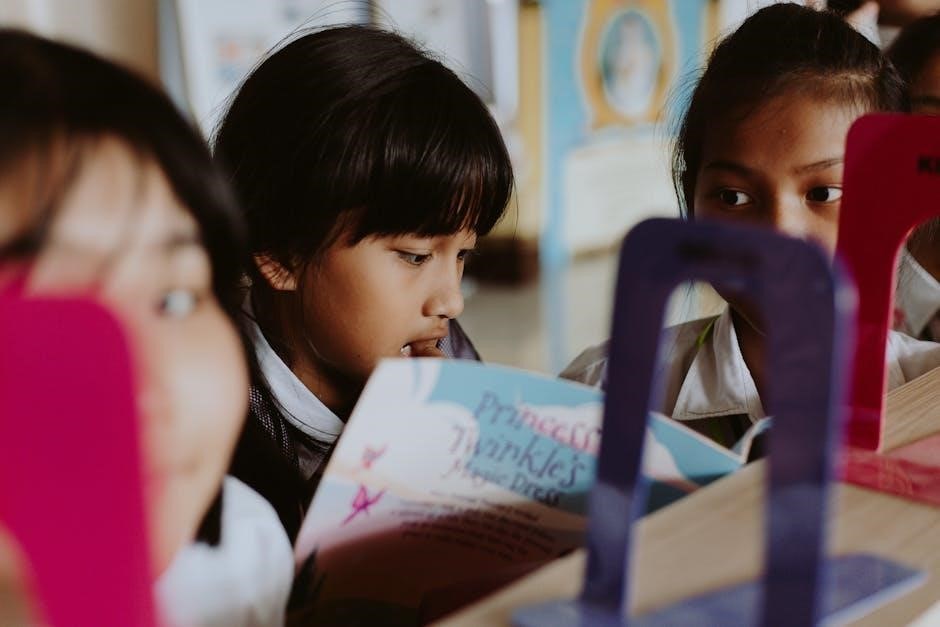
The platform’s passages cover a range of topics, promoting engagement and vocabulary development. K12reader’s materials are easily accessible and downloadable, making it a convenient choice for educators and parents seeking quality comprehension practice.
Education.com – Resources and Accessibility
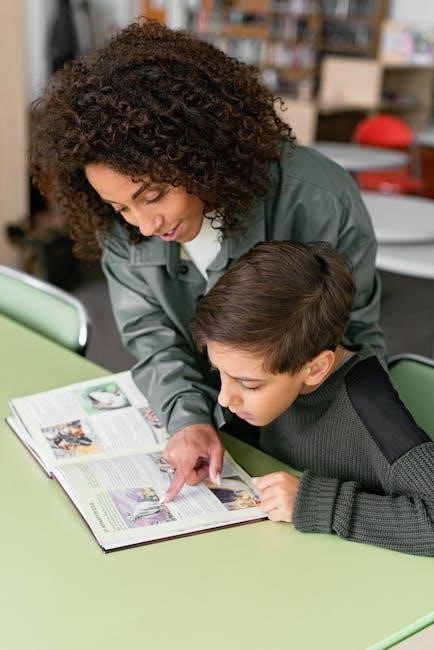
Education.com provides a diverse collection of reading comprehension worksheets for 2nd grade, available as downloadable PDFs. While specific details regarding structured weekly programs aren’t highlighted like K12reader, the site offers a substantial library of individual passages and accompanying questions.
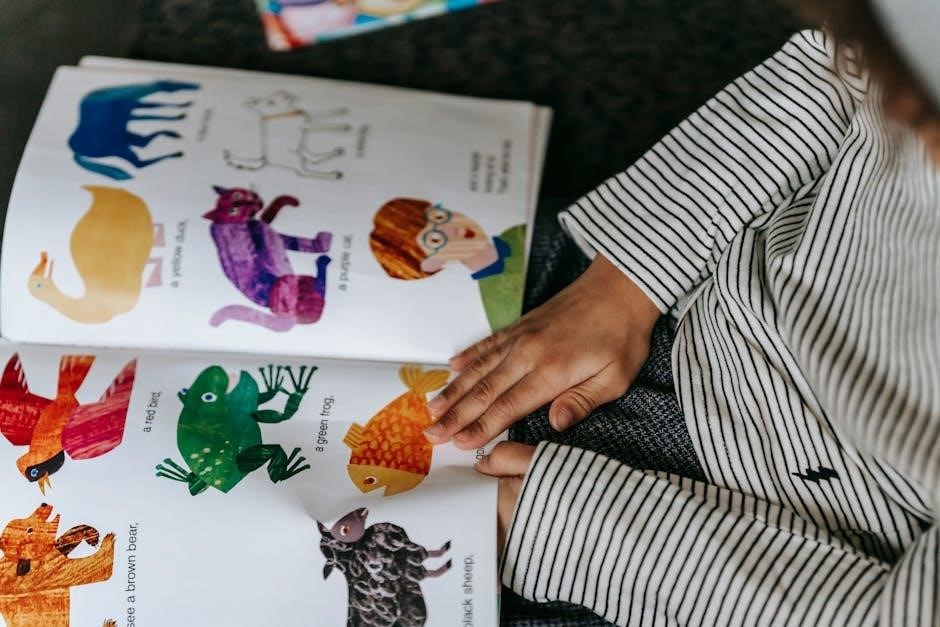
Accessibility is a key feature of Education.com, often requiring a subscription for full access to its resources. However, a selection of free worksheets is typically available. The platform caters to varied learning needs with a broad range of topics and difficulty levels.
Teachers Pay Teachers – Variety and Customization
Teachers Pay Teachers (TpT) stands out as a marketplace offering a vast array of Grade 2 reading comprehension PDFs, created by individual educators. This platform excels in providing unparalleled variety, encompassing diverse themes, reading levels, and question types not always found on larger platforms.
The key advantage of TpT lies in its customization options. Teachers can find resources tailored to specific classroom needs or even request custom-made materials. While pricing varies, TpT often presents cost-effective solutions, with many free resources also available alongside paid options.
What to Look for in a Quality Grade 2 Reading Comprehension PDF

Selecting effective Grade 2 reading comprehension PDFs requires careful consideration. Prioritize age-appropriate content with vocabulary suitable for seven and eight-year-olds, avoiding overly complex language or themes. Engaging and diverse texts are crucial – look for stories that capture a child’s interest and represent varied experiences.
Furthermore, ensure the PDF features clear and concise question formats. Questions should directly relate to the text and assess key comprehension skills. A well-designed PDF will offer a balance of question types, promoting a holistic understanding of the material.
Age-Appropriate Content and Vocabulary
Grade 2 reading comprehension PDFs must feature content aligned with a seven to eight-year-old’s developmental stage. Stories should center around relatable themes like friendship, family, and school, avoiding abstract or overly mature concepts. Vocabulary is paramount; words should be decodable and frequently encountered in everyday language.
PDFs should gradually introduce new vocabulary within context, supporting independent reading. Complex sentence structures should be minimized, and the overall reading level must match a second grader’s abilities, fostering confidence and preventing frustration.
Engaging and Diverse Texts
Effective Grade 2 reading comprehension PDFs utilize texts that capture a child’s imagination and maintain their interest. This means incorporating a variety of genres – stories, poems, even short informational passages – to broaden exposure. Diversity in characters and settings is crucial, representing different cultures, backgrounds, and experiences.
PDFs should move beyond predictable narratives, offering plots with mild conflict and resolution. Visually appealing layouts and illustrations can further enhance engagement, making reading a more enjoyable and rewarding experience for young learners.
Clear and Concise Question Formats
High-quality Grade 2 reading comprehension PDFs present questions in a straightforward manner, avoiding complex wording or ambiguous phrasing. Questions should directly relate to the text and assess specific comprehension skills. Multiple-choice options, if used, should be distinct and free from trickery.
Open-ended questions encouraging short-answer responses are also valuable, promoting critical thinking and written expression. The format should be visually uncluttered, with ample space for students to clearly record their answers, fostering independence and confidence.
Using Reading Comprehension PDFs at Home

Leveraging Grade 2 reading comprehension PDFs at home provides a structured yet flexible learning environment. Parents can select passages aligned with their child’s interests, fostering engagement. Regular, short sessions – 15-20 minutes – are more effective than infrequent, lengthy ones.
Discussing the text before and after reading enhances understanding. Encourage children to retell the story in their own words and ask probing questions. Resources like K12reader offer printable worksheets, simplifying the process and tracking progress over time.
Utilizing PDFs in the Classroom Setting
Grade 2 reading comprehension PDFs offer teachers versatile tools for differentiated instruction. Printable worksheets from sources like K12reader allow for easy whole-class activities, small group work, or individual assignments. PDFs facilitate quick assessment of student understanding, identifying areas needing reinforcement.
Teachers can use these resources for centers, homework, or even quick formative assessments. The availability of 36 weeks of passages ensures a consistent supply of materials, aligning with curriculum goals and providing varied reading experiences for all learners.
Common Themes in Grade 2 Reading Passages
Grade 2 reading comprehension PDFs frequently feature themes relatable to young learners. Animal stories are prevalent, captivating children with tales of creatures and their adventures, fostering empathy and understanding. Passages often depict everyday life and experiences – school, family, friendships – making content accessible and engaging.
Fantasy and imagination also play a key role, sparking creativity and encouraging students to explore beyond the real world. These diverse themes, found across resources like K12reader, aim to build reading skills while maintaining student interest.
Animal Stories
Animal stories are a cornerstone of Grade 2 reading comprehension PDFs, offering engaging narratives for young readers. These passages often feature familiar animals – dogs, cats, birds – or introduce exotic creatures, expanding vocabulary and knowledge. Comprehension questions typically focus on animal characteristics, behaviors, and habitats.
Resources like K12reader provide numerous animal-themed passages, designed to build reading skills while capitalizing on children’s natural fascination with the animal kingdom. These stories promote empathy and understanding of the natural world.
Everyday Life and Experiences
Grade 2 reading comprehension PDFs frequently utilize passages depicting everyday life and experiences, making the content relatable and accessible for young learners. These stories often center around school, family, friendships, and common activities like playing or visiting the park.
Such narratives help students connect reading to their own worlds, strengthening comprehension and fostering a love for reading. Resources like those found on K12reader offer diverse scenarios, building skills through familiar contexts.
Fantasy and Imagination
Grade 2 reading comprehension PDFs also incorporate fantasy and imaginative stories, sparking creativity and engaging students with fantastical elements. These passages might feature talking animals, magical creatures, or journeys to extraordinary lands, broadening their literary horizons.
Such narratives encourage students to think beyond the literal, developing inferential skills and fostering a love for storytelling. Resources often include questions designed to explore imaginative details and character motivations within these whimsical worlds, enhancing comprehension.
Adapting PDFs for Different Reading Levels

Effective use of Grade 2 reading comprehension PDFs requires adaptation for varied reading abilities. Teachers and parents can modify passages by simplifying vocabulary or shortening text length for struggling readers, ensuring accessibility.
Conversely, challenging advanced learners with extension activities – like writing alternative endings or character analyses – deepens their understanding. Utilizing differentiated questioning techniques, focusing on higher-order thinking skills, further tailors the experience. Many PDF resources allow for annotation and modification, facilitating personalized learning.
Tracking Student Progress with PDF Worksheets
PDF worksheets offer a tangible method for monitoring Grade 2 reading comprehension growth. Regularly reviewing completed worksheets reveals patterns in student responses, highlighting areas of strength and weakness.
Teachers can create simple scoring rubrics to assess accuracy and completeness, tracking progress over time. Noting common errors – like difficulty identifying the main idea – informs targeted instruction. Digital PDFs allow for easy data collection and analysis, streamlining the assessment process. Consistent tracking empowers educators to adjust strategies and support individual student needs effectively.
Free vs. Paid Grade 2 Reading Comprehension PDFs
Numerous free Grade 2 reading comprehension PDFs are available, such as those from K12reader, providing a solid foundation for practice. However, paid resources, like those on Teachers Pay Teachers, often offer greater variety, customization options, and higher-quality content.
Free PDFs are excellent for supplemental practice, while paid options may include more in-depth assessments and differentiated passages. The best choice depends on individual needs and budget. Consider the scope of materials and the level of support required when deciding between free and paid resources.
Benefits of Printable PDF Format
The printable PDF format offers significant advantages for Grade 2 reading comprehension resources. PDFs are easily downloadable and accessible on various devices, eliminating the need for constant internet connectivity. Printing allows for a tangible learning experience, beneficial for kinesthetic learners.
PDFs are also highly versatile; they can be used in classrooms, at home, or during travel. Furthermore, they facilitate easy tracking of student progress through completed worksheets. This format supports both individual and group activities, making it a practical choice for educators and parents alike.
Addressing Common Challenges in Grade 2 Comprehension
Grade 2 students often struggle with identifying the main idea and supporting details within reading passages. PDFs can help by offering focused exercises on these skills, with passages specifically designed for this age group. Another challenge is making inferences; worksheets with ‘think and search’ questions build this ability.
Vocabulary can also be a hurdle. PDFs often include glossaries or context clues activities. Utilizing diverse texts within PDF resources exposes students to varied language, strengthening comprehension overall. Consistent practice with targeted PDF worksheets is key to overcoming these obstacles.
The Role of Phonics in Reading Comprehension
Strong phonics skills are foundational for reading comprehension, even when utilizing Grade 2 reading comprehension PDFs. Decoding unfamiliar words fluently frees cognitive resources for understanding the text’s meaning. PDFs can indirectly reinforce phonics through repeated exposure to phonetic patterns within passages.
However, phonics alone isn’t enough. Comprehension requires understanding vocabulary and sentence structure. Effective PDFs balance phonics reinforcement with activities that target higher-level thinking skills, like inferencing and identifying the main idea, building a holistic reading skillset.
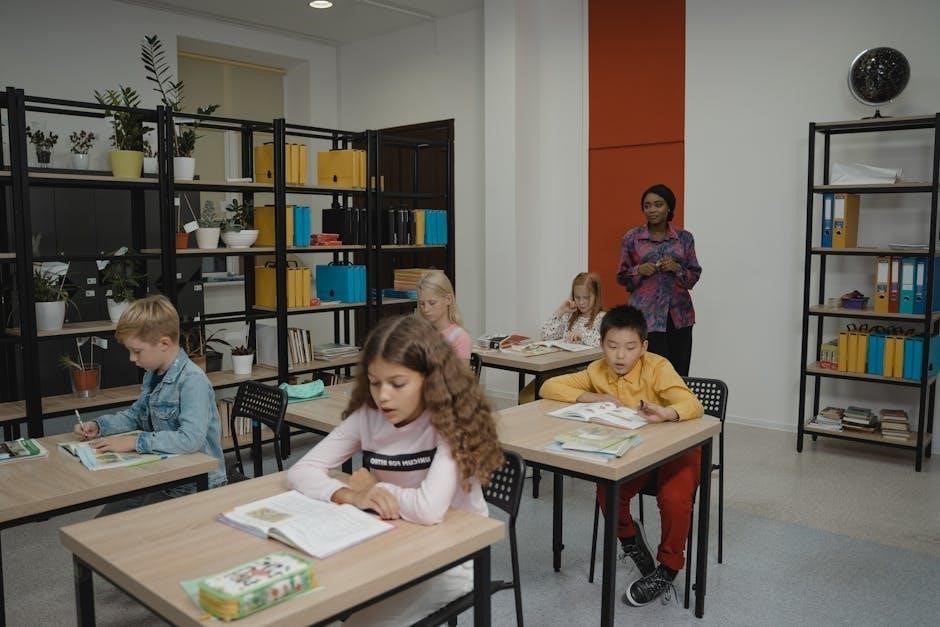
Connecting Reading Comprehension to Writing Skills
Utilizing Grade 2 reading comprehension PDFs can powerfully enhance writing abilities. Strong readers naturally become better writers, as comprehension fosters understanding of sentence structure, vocabulary, and narrative techniques. PDFs offering prompts after passages – like summarizing or character analysis – directly bridge this gap.
Encourage students to emulate writing styles observed in the PDFs. Analyzing how authors craft stories or present information provides valuable models. Activities asking students to rewrite endings or create sequels reinforce comprehension and writing skills simultaneously.
Recommended Reading Lists for 2nd Graders
Supplementing Grade 2 reading comprehension PDFs with curated book lists broadens exposure and fosters a love of reading. Consider series like “Magic Tree House” by Mary Pope Osborne, known for accessible narratives and historical settings, ideal for building comprehension skills.
Elephant & Piggie books by Mo Willems are excellent for early readers, promoting dialogue and character understanding. Beverly Cleary’s timeless classics, such as “Ramona the Pest,” offer relatable characters and everyday scenarios. Utilizing PDFs alongside these books reinforces skills and encourages independent reading.
Tips for Parents to Support Reading Comprehension
Parents can actively support Grade 2 reading comprehension by utilizing available PDFs and engaging in discussions about the texts. Ask open-ended questions – “What happened first?” or “How did the character feel?” – to encourage critical thinking.
Read aloud together, modeling fluent reading and pausing to clarify vocabulary. Create a dedicated reading space and time, free from distractions. Supplement PDF worksheets with library books and celebrate reading achievements to foster a positive attitude towards learning and comprehension.

Technology Integration with Reading Comprehension PDFs
While PDFs offer a printable solution, technology can enhance Grade 2 reading comprehension practice. Interactive PDF readers allow students to highlight text and type answers directly onto the worksheet, fostering digital literacy.
Utilize online platforms alongside PDFs for supplementary activities like vocabulary games or animated story adaptations. Consider screen-sharing during remote learning to collaboratively analyze passages. Educational apps can provide immediate feedback, reinforcing concepts learned from PDF-based worksheets and creating a dynamic learning experience.
Assessing Comprehension Beyond Worksheets
While Grade 2 reading comprehension PDFs provide valuable practice, assessment shouldn’t solely rely on them. Encourage students to verbally retell stories, focusing on key details and sequencing events. Implement “think-pair-share” activities where students discuss passages with a partner, demonstrating understanding.
Observe students during read-alouds, noting their engagement and ability to answer questions spontaneously. Creative projects like drawing story maps or acting out scenes offer alternative ways to gauge comprehension, moving beyond traditional worksheet formats and fostering deeper engagement.
Future Trends in Reading Comprehension Resources
The future of Grade 2 reading comprehension PDFs will likely see increased personalization. Expect adaptive learning platforms that adjust difficulty based on student performance, offering tailored passages and questions. Interactive PDFs incorporating multimedia – audio and video – will become more common, enhancing engagement.
Gamification, integrating game-like elements into comprehension practice, is also on the rise. AI-powered tools may provide instant feedback and identify specific areas where students struggle. Accessibility features, catering to diverse learning needs, will be paramount in future resource development.
Utilizing Grade 2 reading comprehension PDFs effectively is crucial for fostering a love of reading. Resources like those from K12reader provide valuable, printable practice, supporting both classroom instruction and home reinforcement. Consistent engagement with diverse texts and thoughtfully designed questions builds essential skills.
By embracing available tools and adapting them to individual needs, educators and parents can empower young learners to become confident, capable readers. Continued access to quality PDFs, alongside innovative approaches, will ensure future success in literacy.