Groz-Beckert Needle Guide: A Comprehensive Overview (Updated 05/04/2026)
Groz-Beckert needles, renowned for durability and precision, offer a vast selection tailored for diverse fabrics and machines, ensuring optimal stitching performance every time.
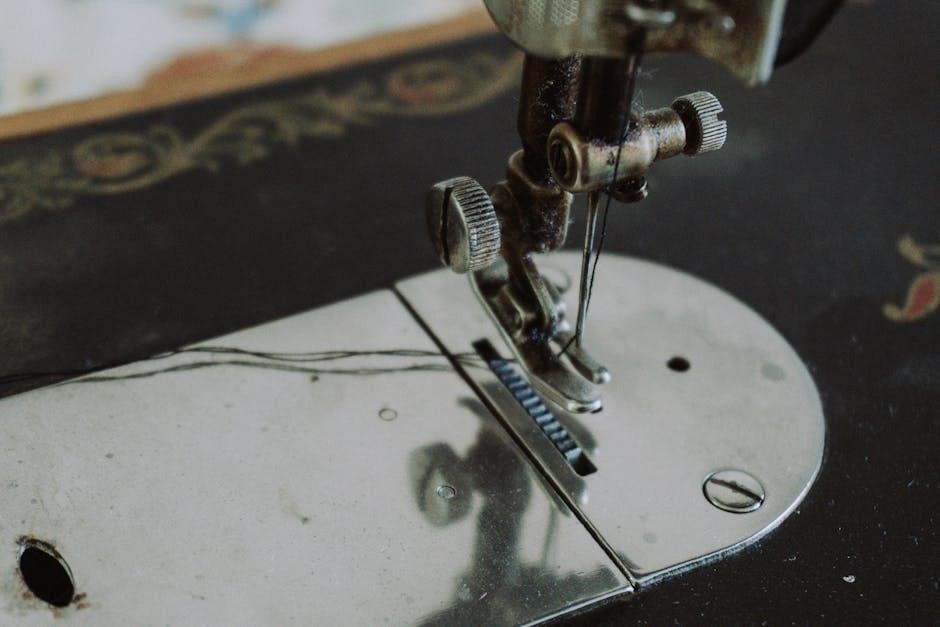
Groz-Beckert stands as a global leader in the manufacturing of industrial sewing machine needles, celebrated for their unwavering commitment to quality and innovation. For generations, the company has provided solutions for a vast spectrum of textile processing applications. Their needles aren’t simply components; they are precision-engineered tools designed to optimize stitching performance and minimize issues like thread breakage or fabric damage.
The extensive Groz-Beckert range encompasses numerous needle systems, point styles, and sizes, each meticulously crafted to address the unique demands of different fabrics – from delicate silks to robust leathers and technical textiles. Understanding these nuances is key to achieving professional-grade results. Selecting the correct needle is crucial, impacting stitch quality, machine longevity, and overall project success.
The Importance of Choosing the Right Needle
Selecting the correct sewing machine needle is paramount for achieving optimal stitch quality and preventing costly issues. Using an inappropriate needle can lead to skipped stitches, thread breakage, fabric puckering, and even damage to the sewing machine itself. Groz-Beckert offers a dizzying array of options, each engineered for specific materials and threads.
A needle’s point style, size, and system must harmonize with the fabric’s weave, weight, and fiber content. Ignoring these factors compromises stitch formation and durability. Investing time in understanding needle codes isn’t merely for professionals; it’s the roadmap to consistently perfect results, maximizing efficiency and minimizing frustration throughout your sewing projects.
Understanding Groz-Beckert Needle Systems
Groz-Beckert employs diverse needle systems – DBx1, DBK1, DPx5, and LSx1 – each uniquely designed for compatibility with specific industrial sewing machines and applications.
DBx1 System Needles
DBx1 system needles from Groz-Beckert are a widely utilized standard, particularly favored in the production of apparel and general sewing applications. These needles demonstrate exceptional versatility, effectively handling a broad spectrum of fabrics, ranging from lightweight materials to medium-weight denims. Their robust construction ensures reliable performance even during high-speed sewing operations.
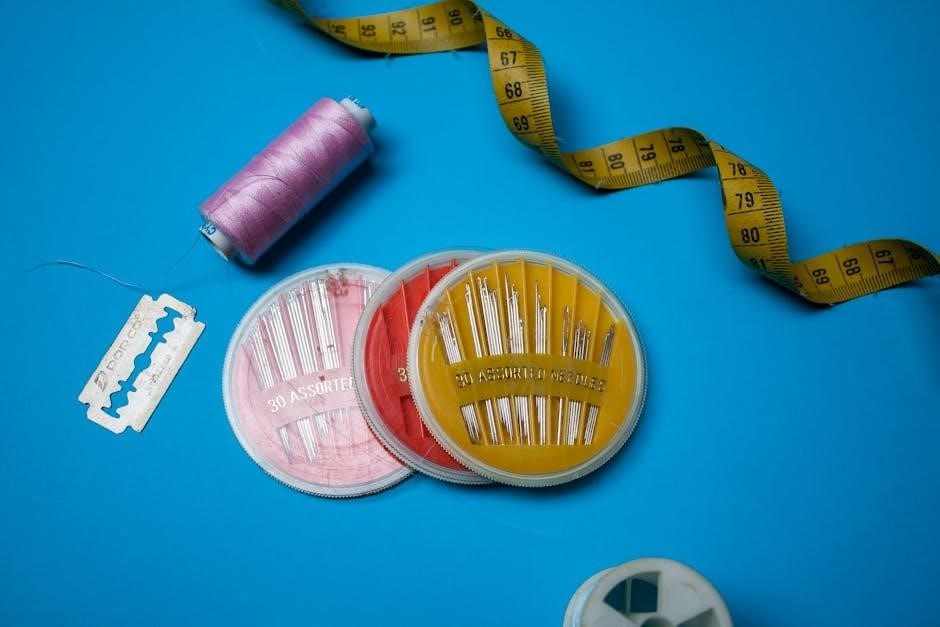
The DBx1 system is characterized by its flat shank and a consistent diameter, contributing to smooth feeding and reduced vibration. This design minimizes the risk of skipped stitches and ensures consistent stitch quality. Groz-Beckert DBx1 needles are available in a comprehensive range of sizes and point styles, allowing for precise matching to specific thread types and fabric characteristics. They are a cornerstone for many industrial sewing setups, offering a balance of performance and cost-effectiveness.
DBK1 System Needles
DBK1 system needles by Groz-Beckert are specifically engineered for use in modern, high-performance sewing machines, notably those employed in automated garment production. Distinguished by a reinforced shank, these needles exhibit superior stability and reduced deflection at exceptionally high sewing speeds. This robust design minimizes the potential for needle breakage and ensures consistent stitch formation, even under demanding conditions.
The DBK1 system is particularly well-suited for handling challenging materials, including densely woven fabrics and multiple layers. Their enhanced strength and precision contribute to improved seam quality and reduced downtime. Groz-Beckert offers DBK1 needles in a wide array of sizes and point styles, facilitating optimal matching with diverse thread types and fabric weights, maximizing efficiency and reliability.
DPx5 System Needles
DPx5 system needles from Groz-Beckert represent a significant advancement in sewing needle technology, designed for contemporary industrial sewing applications. These needles feature an improved shank geometry, enhancing stability and minimizing vibration during high-speed operation. This results in reduced noise levels and increased sewing precision, contributing to a more efficient and comfortable working environment.
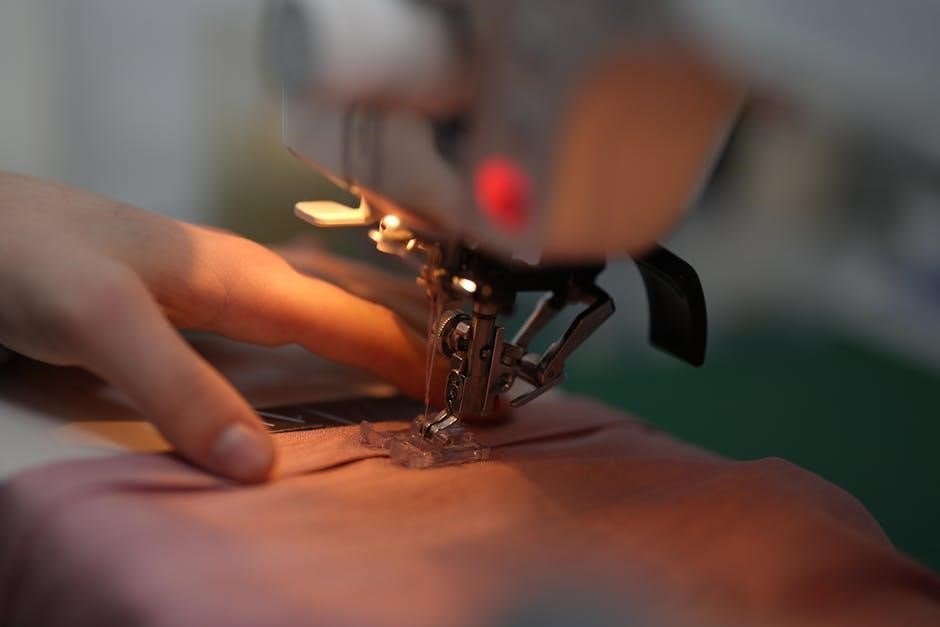
The DPx5 system excels in handling a broad spectrum of fabrics, from lightweight materials to medium-weight denims and knits. Their optimized design promotes smooth fabric feed and consistent loop formation, leading to superior stitch quality and reduced thread breakage. Groz-Beckert’s DPx5 needles are available in various point styles and sizes, ensuring compatibility with a wide range of sewing machines and materials.
LSx1 System Needles
LSx1 system needles by Groz-Beckert are specifically engineered for single-needle lockstitch machines used in the production of apparel and textile goods. These needles are characterized by their stable shank and optimized geometry, designed to minimize vibration and ensure consistent stitch formation even at high sewing speeds. This translates to increased productivity and reduced machine downtime.
The LSx1 system is particularly well-suited for processing lightweight to medium-weight woven and knit fabrics. They offer excellent penetration and reduced fabric damage, resulting in cleaner edges and improved seam appearance. Groz-Beckert provides LSx1 needles in a comprehensive range of sizes and point styles, allowing for precise matching to specific fabric types and thread combinations.
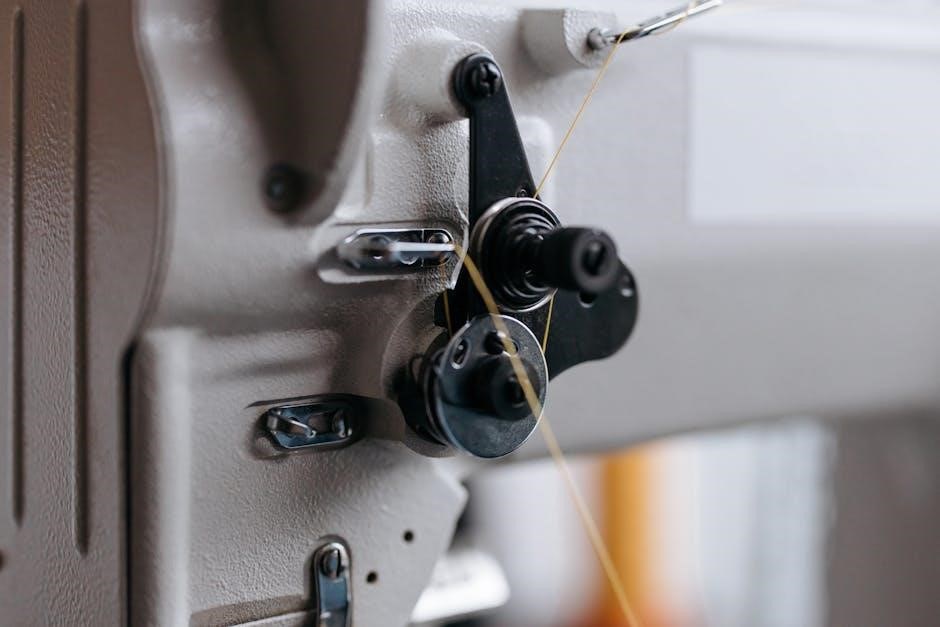
Groz-Beckert Needle Point Styles
Groz-Beckert offers diverse point styles – round, ball, wedge, and special – each meticulously crafted to interact optimally with different fabric structures and prevent damage.
Round Point (R) Needles
Round Point (R) needles from Groz-Beckert are a versatile choice, generally suited for woven and knit fabrics where the needle needs to smoothly penetrate the material without causing damage. These needles feature a rounded tip, allowing them to push fibers aside rather than cutting through them, which is crucial for maintaining fabric integrity.
They are particularly effective with fine to medium-weight materials and are often used in applications where a clean, precise stitch is desired. However, it’s important to note that Round Point needles aren’t ideal for tightly woven fabrics or those prone to snagging, as they may struggle to penetrate effectively. Selecting the correct size is also vital for optimal performance, ensuring the needle doesn’t distort the fabric structure during the sewing process.
Ball Point (BP) Needles
Ball Point (BP) needles, a staple in knit fabric sewing, possess a rounded tip designed to navigate the loops of knitted materials without causing runs or ladders. Unlike round point needles, the ball point gently pushes fibers aside, preserving the fabric’s natural stretch and preventing damage. This makes them indispensable for garments crafted from jersey, fleece, and other stretchy textiles.
Groz-Beckert’s BP needles are engineered for smooth penetration and reduced friction, ensuring consistent stitch formation and minimizing the risk of needle breakage. Choosing the correct size is paramount; a too-fine needle can snag, while a too-large one can distort the knit structure. Proper selection guarantees professional-looking results and extends the lifespan of your knit projects.
Wedge Point (SP) Needles
Wedge Point (SP) needles from Groz-Beckert are specifically designed for penetrating tightly woven fabrics and multiple layers, offering a solution where standard points struggle. Their slightly asymmetrical, wedge-shaped point effectively cuts through the fabric, minimizing deflection and ensuring precise needle entry. This characteristic makes them ideal for materials like denim, corduroy, and tightly woven synthetics.
SP needles excel in applications requiring strong stitch formation and reduced thread breakage. They are particularly useful when sewing through thick seams or reinforcing stress points. Selecting the appropriate size is crucial; a finer needle may deflect, while a coarser one could cause damage. Utilizing SP needles guarantees clean, reliable stitching in challenging fabrics.
Special Point (SUH) Needles
Special Point (SUH) needles represent Groz-Beckert’s innovative response to the demands of modern technical textiles and coated materials. These needles feature a unique point geometry designed to prevent needle breakage and skipped stitches when working with polyurethane (PU) coated fabrics, laminates, and similar challenging materials. The SUH point effectively penetrates the coating without causing it to adhere to the needle’s surface.
This specialized design minimizes friction and heat buildup, extending needle life and maintaining consistent stitch quality. SUH needles are essential for industries like automotive, upholstery, and outdoor gear, where durability and precision are paramount. Proper selection, considering fabric weight and coating thickness, is vital for optimal performance.
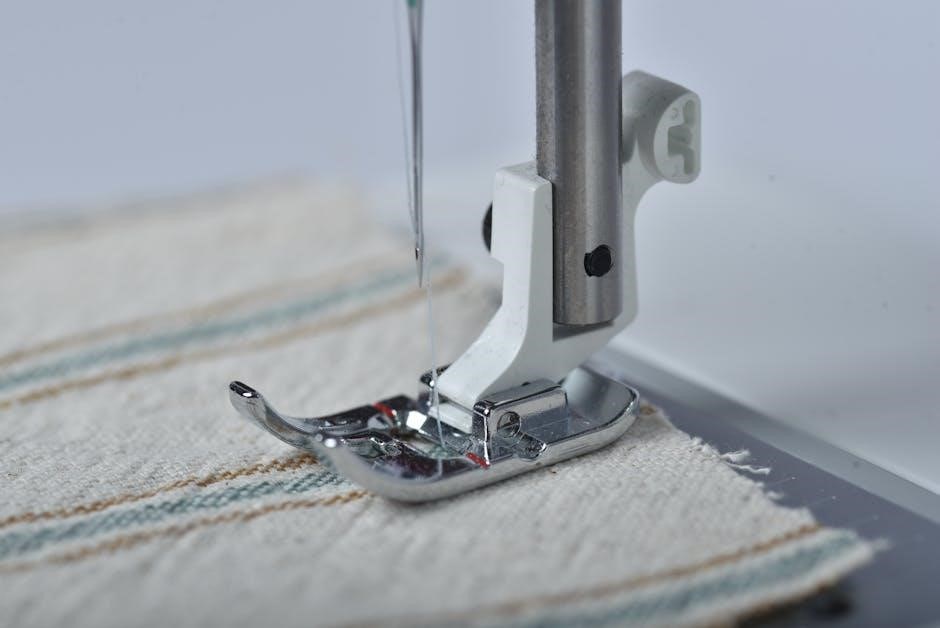
Groz-Beckert Needle Sizes & Numbering
Groz-Beckert utilizes both metric and US needle sizing systems, offering a comprehensive range to match various fabrics, threads, and sewing machine specifications precisely.
Metric Needle Sizes
Groz-Beckert employs a metric numbering system where a higher number indicates a larger needle diameter. Common sizes range from 60 to 130, though specialized applications may require sizes outside this range. For instance, size 70 is suitable for fine fabrics like silk or chiffon, while size 90 is a versatile choice for medium-weight cottons. Heavier materials, such as denim or canvas, typically necessitate larger sizes like 110 or 130.
Understanding metric sizing is crucial for achieving consistent stitch quality and preventing needle breakage. Selecting the appropriate size ensures proper thread passage and minimizes stress on the needle during operation. Groz-Beckert’s detailed charts correlate metric sizes with specific fabric weights and thread types, simplifying the selection process for optimal results.
US Needle Sizes
Groz-Beckert also utilizes a US needle sizing system, often presented alongside metric equivalents. This system employs a numbering scheme where larger numbers denote larger needle diameters. Common US sizes range from 8 to 25. A size 11 is generally used for lightweight fabrics, while a size 14 is a popular all-purpose choice for medium-weight materials. Heavier fabrics, like upholstery or leather, often require larger sizes such as 16 or 18.
While both systems measure needle diameter, they aren’t directly interchangeable. Familiarity with both metric and US sizes allows for seamless transitions and accurate needle selection. Groz-Beckert provides comprehensive conversion charts to easily translate between the two systems, ensuring compatibility and optimal sewing performance.
Relationship Between Metric and US Sizes
Understanding the correlation between metric and US needle sizes is crucial for accurate selection; While distinct, a clear relationship exists, allowing for conversions. Generally, a smaller metric number corresponds to a larger US number, and vice versa. For instance, a metric size 60 typically equates to a US size 8, while a metric size 80 aligns with a US size 12.
Groz-Beckert provides detailed charts illustrating these conversions, simplifying the process for sewers accustomed to either system. However, slight variations can occur depending on the specific needle system. Always consult a reliable conversion chart to ensure the correct needle size for your fabric and thread combination, guaranteeing optimal stitch quality and preventing damage.
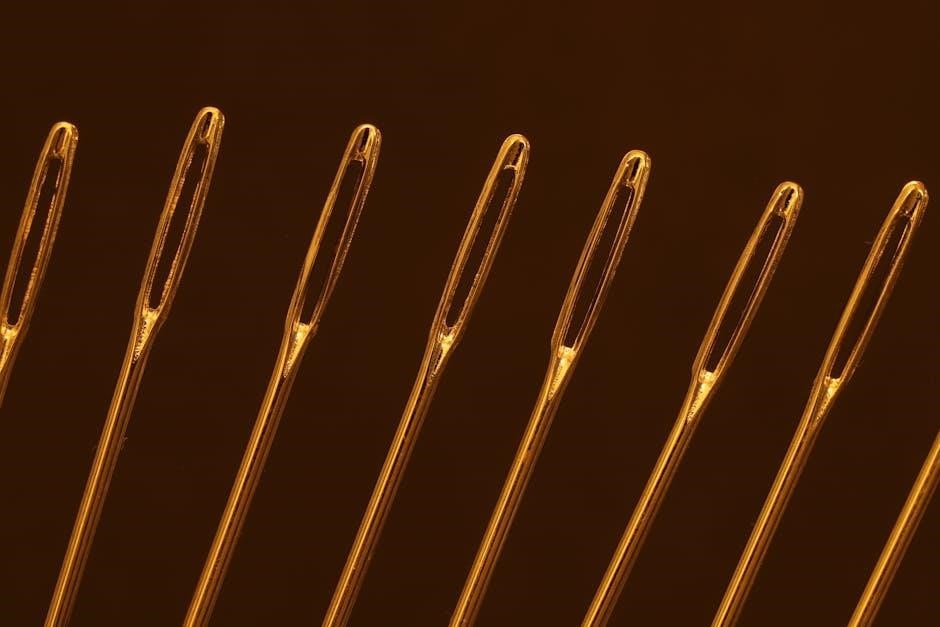
Needle Features & Technology
Groz-Beckert needles feature a single groove design and optimized scarf geometry, ensuring smooth thread guidance and consistent hook catching for durable, precise stitches.
Single Groove Design
The single groove in Groz-Beckert needles is a crucial element of their superior performance. This precisely engineered groove acts as a dedicated pathway, meticulously guiding the thread from the spool to the needle’s eye. This focused channeling minimizes thread friction and prevents unnecessary wear, contributing to smoother, more consistent stitch formation.
By reducing friction, the single groove also helps to prevent thread breakage, a common issue that can disrupt workflow and lead to wasted materials. The design ensures the thread is perfectly positioned as it passes through the fabric, resulting in a cleaner, more professional-looking stitch. It’s a subtle yet significant feature that underscores Groz-Beckert’s commitment to quality and precision in every needle they produce, enhancing both efficiency and stitch integrity.
Scarf Geometry
Groz-Beckert needle’s scarf geometry is a meticulously crafted area above the needle eye, designed to facilitate seamless hook penetration. This precisely angled and shaped recess provides an optimal space for the sewing machine’s hook to reliably catch the thread, forming a secure loop essential for stitch creation.
The scarf’s geometry isn’t a one-size-fits-all feature; it’s carefully calibrated based on the needle system and intended application. A well-defined scarf ensures consistent loop formation, preventing skipped stitches and maintaining stitch quality even at high sewing speeds. This precise area allows for consistent, strong stitches, regardless of fabric type. It’s a critical component contributing to the overall reliability and performance of Groz-Beckert needles.
High-Quality Materials & Durability
Groz-Beckert needles are manufactured using specially selected, high-quality materials engineered for exceptional strength and longevity. These needles resist bending, breaking, and wear, even under the demanding conditions of industrial sewing. This commitment to material science ensures consistent performance and reduces the frequency of needle changes, minimizing downtime and maximizing productivity.
The superior durability of Groz-Beckert needles translates to cost savings and improved seam quality. They withstand rigorous use, maintaining their precise geometry and point sharpness over extended periods. This robust construction is crucial for applications involving dense fabrics, high-speed sewing, or challenging materials like leather and technical textiles, guaranteeing reliable results.
Applications by Fabric Type
Groz-Beckert provides specialized needles for diverse materials—leather, upholstery, canvas, and technical textiles—optimizing stitch formation and fabric preservation for superior results.
Groz-Beckert Needles for Leather
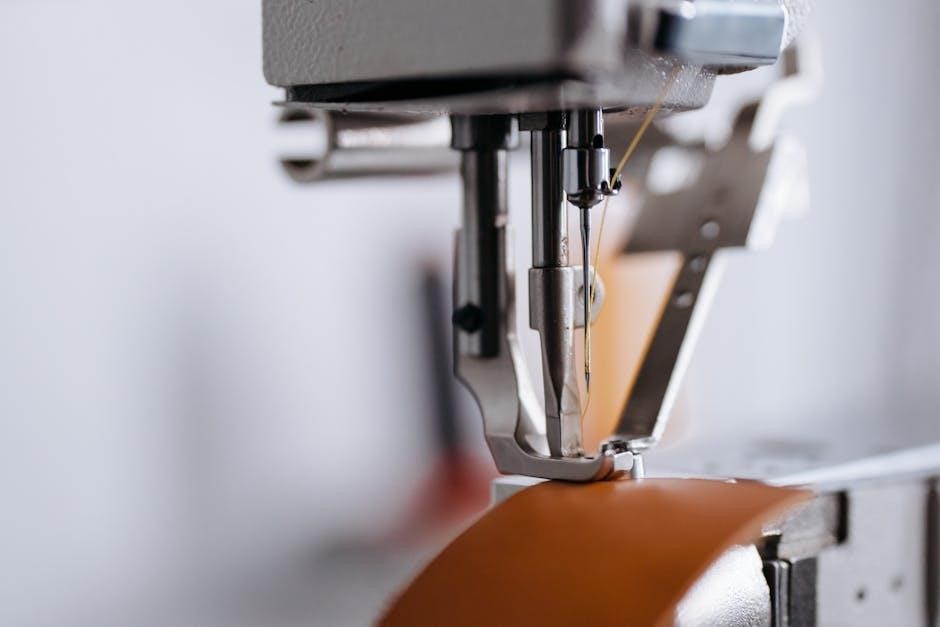
Groz-Beckert offers a specialized range of needles meticulously engineered for working with various leather types, from supple garment leather to robust upholstery hides. Selecting the correct needle point is paramount; Ball Point (BP) needles are frequently recommended for penetrating leather without causing damage, ensuring clean, precise stitch holes.
However, Wedge Point (SP) needles can also be effective, particularly for thicker or more densely structured leathers. The key is to minimize fiber displacement and prevent tearing. Furthermore, the needle’s scarf geometry and groove design play a crucial role in thread guidance and loop formation, contributing to consistent stitch quality and reduced needle breakage. Utilizing the appropriate system, like DBx1 or DPx5, alongside the correct size, is vital for achieving professional-grade results when sewing leather projects.
Groz-Beckert Needles for Upholstery
Groz-Beckert provides robust needle solutions designed to withstand the demands of upholstery applications, handling heavy-duty fabrics and multiple layers. For upholstery, needles must reliably penetrate dense materials while minimizing damage. Often, a Round Point (R) needle is preferred for its ability to smoothly separate fabric fibers. However, depending on the fabric weave, a Ball Point (BP) may also be suitable.
Needle size is critical; larger sizes (e.g., 140/22 or higher) are generally required to handle thicker upholstery materials. The single groove design ensures efficient thread delivery, and the scarf geometry facilitates consistent loop formation. Durability is paramount, as upholstery sewing often involves prolonged use and high stitch counts. Selecting the correct needle system, such as DBK1, is essential for optimal performance and longevity.
Groz-Beckert Needles for Canvas
Groz-Beckert offers specialized needles engineered for the challenges of sewing canvas, a notoriously tough and tightly woven fabric. Canvas applications demand needles capable of penetrating multiple layers without causing undue stress or breakage. A Round Point (R) needle is frequently recommended for canvas, effectively separating the fibers for clean stitch formation. However, the specific canvas weight and weave will influence the ideal point style.
Larger needle sizes, such as 140/22 or 150/23, are typically necessary to handle the fabric’s density. The single groove design and precise scarf geometry contribute to consistent loop formation and reduced thread breakage. High-quality materials ensure durability, crucial for projects requiring robust seams. Selecting the appropriate needle system, like DBx1, is vital for achieving professional results with canvas.
Groz-Beckert Needles for Technical Textiles
Groz-Beckert provides a comprehensive range of needles specifically designed for the diverse world of technical textiles – materials engineered for performance rather than aesthetics. These fabrics, often coated or possessing unique structures, require specialized needle geometries to prevent damage and ensure seam integrity. Special Point (SUH) needles are frequently employed, minimizing fiber displacement and preventing skipped stitches.
Needle selection hinges on the textile’s composition and intended application. Considerations include the coating type, fabric weight, and sewing machine parameters. Utilizing the correct needle system, such as DPx5, is paramount. The needles’ high-quality materials and precise manufacturing guarantee consistent performance and longevity, even when processing abrasive or sensitive materials. Proper needle choice optimizes production efficiency and product quality.
Selecting the Right Needle for Your Project
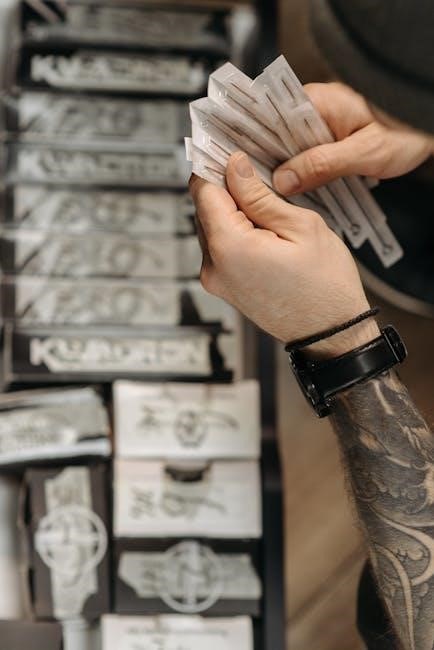
Choosing the ideal needle involves considering thread type, machine compatibility, and potential stitching issues; a precise match ensures optimal results and prevents damage.
Considering Thread Type
Selecting the correct needle isn’t solely about fabric; thread compatibility is paramount for achieving flawless stitches. Groz-Beckert needles are engineered to work harmoniously with various thread weights and compositions. Heavier threads generally require larger needle sizes to prevent shredding and ensure smooth passage through the fabric. Conversely, finer threads necessitate smaller needles to avoid puckering or skipped stitches.
Consider the thread material – cotton, polyester, nylon, or silk – as each interacts differently with needle surfaces. For example, metallic or textured threads often benefit from a larger needle with a specialized point to minimize friction. Always test a sample combination of thread and needle on scrap fabric before commencing your project to guarantee optimal performance and prevent costly errors. A well-matched needle and thread pairing contributes significantly to stitch quality and overall project durability;
Matching Needle to Machine
Ensuring compatibility between your Groz-Beckert needle and sewing machine is crucial for optimal performance and preventing damage. Different machines require specific needle systems – DBx1, DBK1, DPx5, or LSx1 – and using the incorrect system can lead to skipped stitches, broken needles, or even machine malfunction. Consult your machine’s manual to identify the correct needle system.
Beyond the system, verify the needle shank size and overall length are appropriate for your machine. Groz-Beckert offers a wide range of needle sizes within each system, allowing for precise matching to fabric weight and thread type. Incorrectly sized needles can disrupt the timing and tension, resulting in poor stitch quality. Prioritize using needles specifically designed for your machine model to guarantee reliable and consistent results.
Troubleshooting Stitching Problems with Needle Selection
Persistent stitching issues often stem from incorrect needle selection. Skipped stitches frequently indicate a dull or damaged needle, or one inappropriate for the fabric’s weight. Broken needles suggest using too large a size for the thread or fabric, or forcing the fabric through the machine. Puckered seams can result from a needle point style that doesn’t suit the material – a ball point for knits, for example.
Carefully assess the problem and consider the fabric, thread, and machine settings. Experiment with different needle point styles (round, ball, wedge) and sizes. Groz-Beckert’s comprehensive range allows for fine-tuning; Remember, a fresh needle is often the simplest solution!